


In the textile industry, every detail of a product plays a crucial role. This applies not only to fabrics and design but also to the choice of fittings, particularly zippers. For bedding manufacturers, selecting the right zipper is essential, as it impacts functionality, durability, and overall product quality. This article explores the key factors to consider when choosing zippers for bedding, the optimal types available, and how they influence production and product use.
Requirements for bedding zippers
Zippers used in bedding must meet several requirements:
- Mechanical strength. The zipper should withstand numerous opening and closing cycles without damage. This is particularly important for bedding that undergoes frequent washing.
- Softness and safety. The zipper teeth should not damage the fabric or cause discomfort during use.
- Wash resistance. The materials used for the zipper must be resistant to water, detergents, and high temperatures.
- Aesthetic appeal. The fittings should blend harmoniously with the product without disrupting its overall design.
Types of bedding zippers
The most commonly used types of zippers for bedding include:
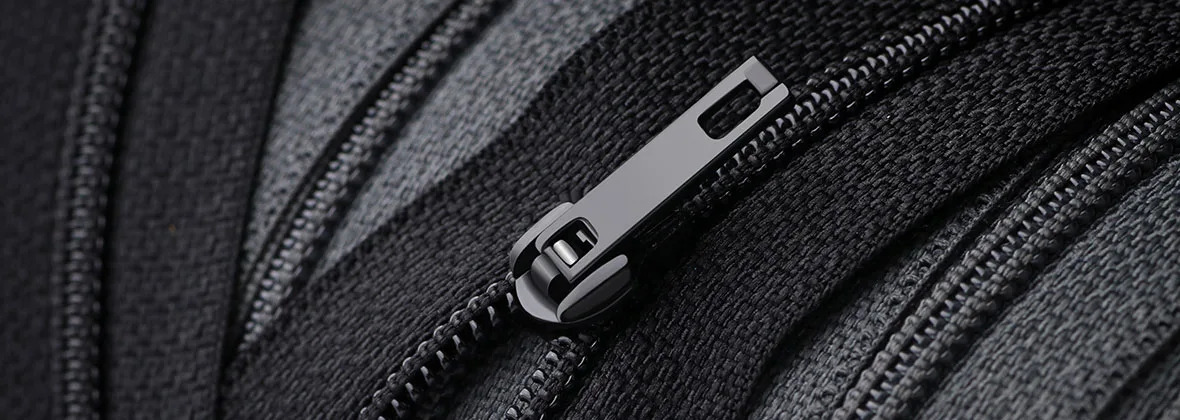
- Spiral zippers: Flexible, lightweight, and highly durable, they are ideal for delicate fabrics. Spiral zippers provide smooth fastening and minimize the risk of fabric damage.
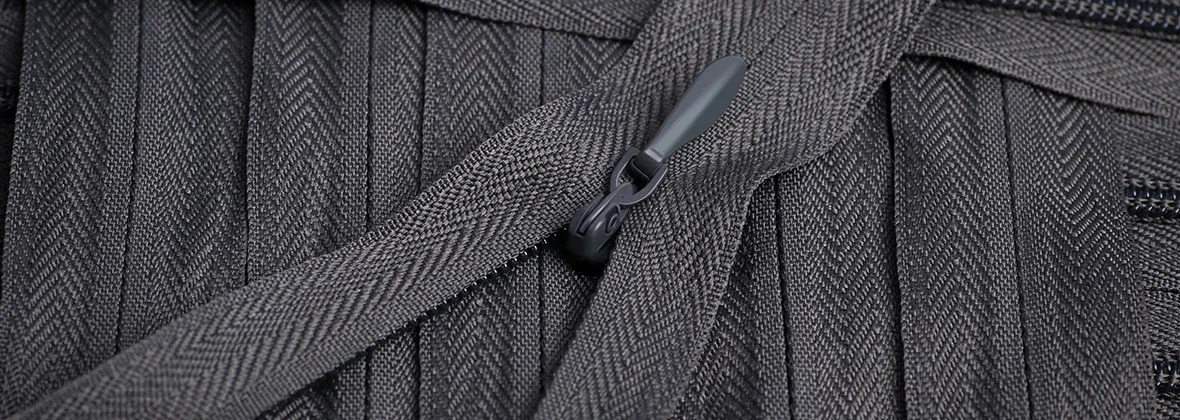
- Invisible zippers: Popular among premium bedding manufacturers, invisible zippers are almost unnoticeable when closed, enhancing the product’s aesthetic appeal. They also provide user comfort by not protruding above the fabric’s surface.
How to choose the right zipper for your product
- Teeth material: The zipper teeth should balance strength and delicacy to meet the requirements of textile products. They should be lightweight, flexible, durable, and fabric-friendly.
- Fastener type: The best options for bedding are zippers with a spiral width of up to 7 mm when closed. They are easy to use and do not add extra weight to the product.
- Color: The choice of color depends on the bedding design. The zipper can be either contrasting or harmoniously matched with the main fabric.
- Length: The zipper length depends on the bedding size. It should be long enough for convenient fastening but not too long to complicate use.
Why high-quality zippers matter
Using high-quality zippers directly impacts a manufacturer’s reputation. Low-quality fittings can lead to customer complaints, product returns, and reduced brand trust. Investing in high-quality fittings ensures:
- Product durability: Quality zippers last longer and withstand operational loads better.
- Customer satisfaction: Users appreciate products that are easy to use and do not cause inconvenience.
- Competitiveness: Products with high-quality fittings look more professional and attractive.
How to find a reliable zipper supplier
Collaborating with trusted suppliers is key to successful bedding production. Choose partners who offer:
- A wide range of products: The ability to choose zippers of different types, sizes, and colors.
- Quality assurance: Availability of compliance certificates and positive customer feedback.
- Customized solutions: The ability to order zippers based on specific requirements.
- Stable supply chains: Timely order fulfillment, especially for large volumes.
Conclusion
Bedding zippers are a crucial element affecting the final product’s quality and customer satisfaction. The right choice of fittings depends on the fabric type, product design, and functional requirements. By investing in high-quality fittings and partnering with reliable suppliers such as Molniya, textile manufacturers ensure stability in production processes and the ability to offer competitive products on the market. A careful approach to zipper selection contributes to the creation of products that meet the highest quality standards and customer expectations.
