


In the realm of fashion, where every detail holds significance, the choice of clothing accessories plays a pivotal role in shaping collections. Zippers, integral to many garments, serve not just practical but aesthetic purposes. It’s noteworthy that Ukrainian designers increasingly favor domestically produced zippers.
Production of Accessories in Ukraine
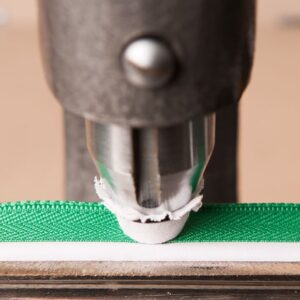
Ukraine boasts robust potential in clothing accessory manufacturing, including zippers. Local manufacturers offer a diverse range of products meeting international quality standards. Key advantages include production flexibility, customization capabilities to suit designer needs, and quick turnaround times.
Among these manufacturers, Molniya stands out as Ukraine’s sole company with a comprehensive production cycle for various types and intricacies of plastic zippers. Molniya’s specialized laboratory, equipped with advanced German and Japanese machinery, ensures rigorous quality control—from raw material scrutiny to final product analysis.
Ukrainian Designers and Accessory Preferences
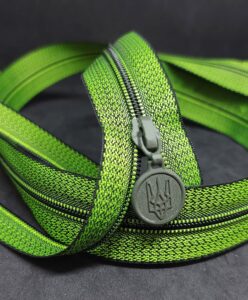
There’s a rising preference among Ukrainian designers for locally sourced accessories, including zippers. Several factors drive this trend:
- Support for Local Economy: Amid global competition, many designers prioritize bolstering the domestic economy.
- Exclusivity: Custom manufacturing enables unique design executions, setting projects apart.
- Environmental and Ethical Considerations: Short supply chains reduce carbon footprints, while local production adheres to labor standards.
Challenges and Future Outlook
Despite challenges like limited design options and perceptions of lower quality, increasing demand prompts local manufacturers to enhance offerings continually. Ukrainian designers’ inclination towards domestic products signals a promising future.
Conclusion
 The growing preference among Ukrainian designers for locally produced accessories, particularly zippers, underscores a significant shift towards sustainable and ethical fashion practices. By supporting domestic manufacturers like Molniya, designers not only contribute to the national economy but also benefit from tailored, high-quality products that enhance the uniqueness of their creations.
This trend aligns with global movements towards reducing carbon footprints and promoting responsible production methods. Shorter supply chains inherent in local sourcing minimize environmental impact, while adherence to local labor standards ensures ethical manufacturing practices. These factors not only appeal to conscientious consumers but also position Ukrainian fashion on the international stage as a beacon of innovation and sustainability.
Looking ahead, the future of Ukrainian accessories production appears promising. Continued collaboration between designers and manufacturers promises further advancements in product diversity and quality. As international interest in sustainable fashion grows, Ukrainian designers are well-positioned to capitalize on their commitment to craftsmanship and ethical production, setting a precedent for the global fashion industry.
By fostering a robust ecosystem where creativity thrives alongside ethical standards, Ukraine’s fashion sector stands poised to not only meet but exceed international expectations, paving the way for a more sustainable and competitive global fashion landscape.
